"If you ask me what I came to do in this world, I, an artist, will answer you: I am here to live out loud." ~ Emile Zola

Showing posts with label green living. Show all posts

29 April 2011

Tips for Earth Month and My New Upcycled Fabric Acessories!

April is not only Earth Day, but Earth Month, a great time to learn more about how to live a life that is kinder to the planet and minimizes our consumption of resources and impact on the environment.

Choosing to DIY is a terrific way to reduce personal impact. Make your own whenever possible! :) A little resourcefulness and research will allow you to create your own unique version of pretty much anything, and doing so reduces consumption from manufacturing and waste through using recycled, repurposed, upcycled, or reclaimed materials! Do-it-yourself when designing, creating, building, and crafting!

This leads me to talk up my latest creations on the handmade front. I've been spending time designing cuff bracelets using lovely old buttons and pieces, scraps, and remnants of vintage & antique fabrics, laces and trim, and ribbons. Old feed sack, pieces of crazy quilt, dress remnants, old linens, scraps of lace and trim- all of it is lots of fun to create with. It's been fun to dig into the collection of pretty lace and linens I've been building. Vintage pretties are a huge weakness.

Here's a photo with some examples. Come and see more this Saturday, April 30th, at my table at Mt Lebanon's Earth Day Celebration!


Here are a few other tips I personally use to live sustainably. We have reduced our household waste to one kitchen trash bag per week since adopting some of these practices!

Choose just one or two to start with, or a few that make the most sense to you. And although making them a regular habit is best, doing them just whenever when you can is still awesome!

* Recycle everything!
Recycle everything possible in your area: glass & plastic, aluminum and tin, corrugated cardboard, paper board, newspaper, office paper, magazines, junk mail, phone books, electronics, batteries, cork, ink cartridges (most office supply stores), and more. Not every area has curbside recycling, and curbside recycling doesn't always pick up all of these things. But most areas have recycling centers where much of the above can be taken.
Earth 911 is an excellent website that allows you to find your local recycling center and look up where to recycle anything you can imagine. Also, be sure to purchase products only in containers that are recyclable in your region.

* Compost.
Composting reduces solid waste being added to landfills and sent to incinerators & makes that waste a useful product while rebuilding the soil and enriching the earth, our gardens, and landscapes. Create compost from yard trimmings and household food waste (plant-based only). There are loads of
how-to guides out there. :)

* Reuse shipping supplies.
Save bubble wrap, boxes, and envelopes from your own packages to send your new mail, both personal and business. Remove or cover old postage and postal markings and tape or stick on a new label. Cover any commercial markings on cardboard boxes. Use brown paper bags inside out to wrap boxes or black out writing. Make your own boxes with old cereal boxes!

* Purchase groceries with very little or no packaging.
When buying food, go for as little packaging and wrapping as possible. Buy fresh produce singly rather than in pre-wrapped multiples. Buy the largest container of an item that you can carry and afford, such as the jumbo-size laundry detergent rather than the smaller bottles. Buy in bulk at local grocery stores (may take some research to find one), and if possible, take your own recycled and reusable containers in which to carry the bulk items.

* When possible, walk, bike, or use public transportation instead of driving.
Bike to work, take the bus to an appointment, walk to the movies or the grocery store. Besides reducing energy consumption, walking and biking are great exercise!

* Garbage responsibly.
Many things we throw away can be harmful to wildlife or the environment. Use care when throwing away to
minimize danger to animals, and make sure chemicals and other potentially hazardous household waste items are taken to proper sites for discarding.

* Eat organic and local.
There are countless reasons to choose
organic and local as often as possible. The Eat Well Guide offers a great resource for finding sustainable food sources near you.

* Go veg!
Going vegan is one of the most important and influential actions a person can take to reduce their impact on the planet. Going vegetarian also has an enormous positive effect on the environment. Eating a meatless, plant-based diet even one meal or day per week can reduce environmental degradation in countless ways.
Read about why going vegetarian is the easiest and quickest way to lower your carbon footprint, reduce pollution, and save energy and water. And see why the United Nations report agrees.

* Grow an organic garden.
Commercial farming creates large amounts of industrial pollution, and non-organic farming degrades the soil, water supply, and land. According to
eHow Home, growing your own food reduces pollution, adds biodiversity and improves air quality, and is more nutritious! Making your garden organic makes food safer and healthier for humans and other living beings and the planet.

* Pick up litter.
If you go for walks, take along a bag and a pair of puncture- and water-resistant gloves to pick up recyclables and trash you pass along the way. Make the environment safer and prettier!

* Use a dishwasher.
According to
Treehugger, using dishwasher uses only half the energy and one-sixth of the water than does hand washing dishes, and also uses less soap. Using the "light" cycle uses even less water, and letting dishes air dry rather than heat dry uses less energy. Also try to wait until the dishwasher is full before running a cycle to wash less often.

* Use cold water for laundry and dishes.
Both use less energy then using hot water, which requires heating. Line drying over using a dryer when washing clothes is another way to use less energy.

* Give away or repurpose unwanted possessions rather than tossing them.
Reduce landfill waste, consume less, and lessen the environmental impact of manufacturing new goods. Instead of throwing away what you no longer want or need, donate to charity thrift stores, give away items on
Freecycle.com, sell used belongings in your local paper or on craigslist, or find a friend or family member who may want what you don't.

18 August 2009

The Web Out Loud: What's Worth Paying Attention To This Week?

My latest finds worth paying attention for the ethical web surfer: great articles, awesome sites, and other juicy tidbits!

Articles

Animals Don’t Want to Eat GMOs, So Why Are We?, healthychild.org

There is No Vegan's Dilemma, PowellsBooks.blog

4 Million Pounds of Space Junk Polluting Earth’s Orbit, ecoworldly.com

In-vitro meat: Would lab-burgers be better for us and the planet?, cnn.com

Monsanto's Global War on Farmers, organicconsumers.org

New Film on Ocean Acidification Reveals Unseen Face of CO2 Pollution, solveclimate.com

Elephants Pass Self-Awareness Test Passed Only By Humans, Gorillas, and Dolphins, ecoworldly.com

Why We Love Dogs, Eat Pigs, and Wear Cows: An Introduction to Carnism, MelanieJoy.org

Activism

Protest Ringling Brothers' Animal Cruelty! Sign
PETA's petition calling on the USDA to seize the abused, neglected, and heartbroken elephants Ringling hauls around the country in filthy boxcars and forces to perform under the constant threat of punishment. Watch PETA's undercover videos from RinglingBeatsAnimals.com if you need convincing.

Tell your Senators that the path out of world poverty isn't through Monsanto and GMO crops. Sign this CREDO petition to promote helping farmers in developing countries produce and distribute their own food, rather than implementing an Obama administration goal to use genetically modified seeds and chemicals as tools to fight hunger.

Cool Sites

Your Daily Vegan: the daily vegan spin- Your source for all things vegan: intriguing facts, thoughtful editorials, intelligent quips, food talk, news bits, and so much more, all in one place.

Green Lashes and Fashion- Love this blog by a fashionista with a compassionate conscience! Stay informed about ethical fashion, natural beauty, green living, and vegan/vegetarian food- way cool!

Environmental Graffiti- A veritable playground for the eco-conscious, planet loving, ethical, and off-the-wall. An "eclectic mix of the most bizarre, funny and interesting environmental news on the planet... on behalf of all environmentalists who don’t take themselves too seriously and compile it into a daily blog." What lured me in initially were breath-taking, brilliant photos of animal life, like these.

Other Stuff

T-shirts upcycled from plastic bottles?
Two companies, be present and A Lot To Say, launched tees made from recycled plastic last week! They are super cute on top of being super green! be present states on their site that 3-5 plastic bottles are diverted from landfills with every tee made, and A Lot to Say calls their 100%-recycled-bottle tees "eco-revolutionary." Maybe plastic is fashionable after all. ;)

I am in love with this bike!
Madsen's Cargo Bikes are dream cycles for those who rely on or choose biking for doing errands like grocery shopping and even moving! I swoon every time I see one... If only I could even think of affording it... ;)

03 August 2009

The Web Out Loud: What's Worth Paying Attention To This Week?

I've been coming across so many great articles, sites, and other juicy tidbits of info lately that I want to start sharing them! Hence the start of this weekly or bi-weekly column. Here are this week's finds worth paying attention to!


Articles

"Six Ways to Become an Ethical Fashionista", GreenLashesandFashion Blog

"Urban Panning: The 10 Meanest Cities In America", NPR.org

"A Revolution of the Heart", Animal Rights: The Abolitionist Approach Blog

"10 Ways to Support Charity Through Social Media", Treehugger.com

"Rethinking the Meat Guzzler", NYTimes.com

"Veganism is Too Difficult", ElaineVigneault.com

Activism

peta2's Meat's Not Green Petition- Sign peta2's petition mandate that all meat be labeled with a warning that it is the number one cause of global warming.

Cool Sites

CraftWeasel- Thanks to my pal Cari for sharing this tool! Type in your Etsy username, and Craftweasel will look through your favorites to get an idea of your tastes. Then it searches through all the items that have been listed on Etsy within the last 24 hours and recommends things you might like. Fun!

Butterflies and Moths of North America- For nature lovers, an awesome gallery with information about and photos of every butterfly or moth you might come across.

Other Stuff


Anti-war Medallion- Remember that anti-war phrase from the 60s, "War is not healthy for children and other living things?" Well there's a great necklace/medallion imprinted with the historically significant phrase available on the site of Another Mother for Peace, an organization created "to empower and encourage citizens to take an active role in convincing our elected leaders to work for peace." The medallion is a silver or gold metal mini version of the classic poster for a very affordable $15 (which benefits the organization)- so sweet and so moving!

If you live in "the Burgh" you know how awesome this tee is! The phrase is available on all sorts of tees and sweats by Dirty Jerzey on CafePress.com.


08 July 2009

Wildlife and Trash: A Dangerous Combination


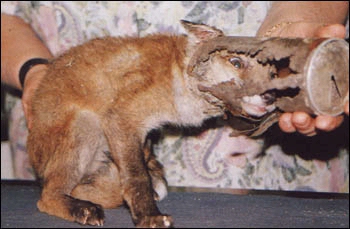
As if devastating environmental degradation and marring of the natural landscape isn’t enough damage caused by the vastly enormous number of tons of trash created every year (over 251 million in the U.S. alone), garbage poses a serious danger to wildlife. Along with contamination of soil, air, and water and destruction of land, everyday trash items can trap and wound wildlife, make them an easy target for predators, and prevent them from being able to eat, all of which may lead to suffering and/or death.

Reptiles, birds, and mammals, even pets, are endangered by careless littering and by typical waste from household and recreational activities- even recycled materials. Fishing line alone is responsible for 36 percent of wildlife injuries caused by garbage! Other sources of trash-related wildlife injuries include wounds from broken glass and fishing hooks; poisoning from lead, household chemicals, and harmful bacteria in discarded food; internal blockages from swallowing plastic wrap or bags; strangulation or amputation from string, wire, rubberbands, and six-pack rings; and the effects of entrapment in small containers (charityguide.org, foxwatchireland).

Animals such as lizards seeking warmth and small mammals or birds attracted by food remnants or odors can get their heads stuck in jars, cans, plastic bags, or empty yogurt cups, resulting in starvation, suffocation, or overheating (environmentalchemistry.com). Waterfowl and other birds may feed their babies plastic packing pellets. They can also get bound up in fishing line and netting, preventing them from flying, making them easy prey, and even causing limbs to be amputated. Fish and whales sometimes become ensnared in netting and loose fishing line. Broken glass and sharp metal can cut paws. These are just a few of the ways discarded waste from human activities can harm wildlife. *BUT... there are lots of simple things that can be done to prevent much of this from happening!*


Easy ways you can help protect animals and wild-proof your garbage:
  • Rinse, Recycle, and Reuse. Recycle glass, plastic, and aluminum containers. But whether you are recycling or putting these items in the trash, rinse them thoroughly or wash them to remove food remnants and odors that may lure wildlife to crawl inside seeking treats. If throwing away, also place lids back onto containers if possible. Rinse plastic wrap before throwing into trash. Reuse plastic storage bags or grocery bags.

  • Cut, Crush, and Tie. Fishing line, string, netting, rope, and rubber bands should be cut into 6-inch pieces before discarding in trash. Cut six-pack rings and similar items apart to prevent animals from getting trapped in them. Snip balloons into little pieces so that they aren't be mistaken for food. Tie plastic bags in a knot so that they can't blow away, lead to suffocation, or be mistaken for food. Remember to remove the lids from cans entirely if they are only partially attached. And cut in half or crush any open plastic containers or cans, making sure the opening is pinched shut so that small animals cannot crawl into or get their heads stuck inside.

  • Close and Cover. Make sure never to throw containers or plastic packaging into open trash cans. Better yet, ensure that all rinsed containers and plastic wrap are completely closed in garbage bags and placed inside trashcans with reliably secure lids (hsus.org).


Other things you can do:
  • Reduce the amount of trash you generate by recycling and by purchasing products with as little packaging as possible.
  • Volunteer with local community clean-up projects.
  • Pick up trash that may pose a danger to animals from the sidewalk or field you pass in your daily travels (use hand protection).
  • Spread the word to others about preventing trash-related wildlife injuries.
Just a few seconds or minutes can help prevent harm to the environment and it's creatures!