"If you ask me what I came to do in this world, I, an artist, will answer you: I am here to live out loud." ~ Emile Zola

Showing posts with label eco. Show all posts

18 August 2009

The Web Out Loud: What's Worth Paying Attention To This Week?

My latest finds worth paying attention for the ethical web surfer: great articles, awesome sites, and other juicy tidbits!

Articles

Animals Don’t Want to Eat GMOs, So Why Are We?, healthychild.org

There is No Vegan's Dilemma, PowellsBooks.blog

4 Million Pounds of Space Junk Polluting Earth’s Orbit, ecoworldly.com

In-vitro meat: Would lab-burgers be better for us and the planet?, cnn.com

Monsanto's Global War on Farmers, organicconsumers.org

New Film on Ocean Acidification Reveals Unseen Face of CO2 Pollution, solveclimate.com

Elephants Pass Self-Awareness Test Passed Only By Humans, Gorillas, and Dolphins, ecoworldly.com

Why We Love Dogs, Eat Pigs, and Wear Cows: An Introduction to Carnism, MelanieJoy.org

Activism

Protest Ringling Brothers' Animal Cruelty! Sign
PETA's petition calling on the USDA to seize the abused, neglected, and heartbroken elephants Ringling hauls around the country in filthy boxcars and forces to perform under the constant threat of punishment. Watch PETA's undercover videos from RinglingBeatsAnimals.com if you need convincing.

Tell your Senators that the path out of world poverty isn't through Monsanto and GMO crops. Sign this CREDO petition to promote helping farmers in developing countries produce and distribute their own food, rather than implementing an Obama administration goal to use genetically modified seeds and chemicals as tools to fight hunger.

Cool Sites

Your Daily Vegan: the daily vegan spin- Your source for all things vegan: intriguing facts, thoughtful editorials, intelligent quips, food talk, news bits, and so much more, all in one place.

Green Lashes and Fashion- Love this blog by a fashionista with a compassionate conscience! Stay informed about ethical fashion, natural beauty, green living, and vegan/vegetarian food- way cool!

Environmental Graffiti- A veritable playground for the eco-conscious, planet loving, ethical, and off-the-wall. An "eclectic mix of the most bizarre, funny and interesting environmental news on the planet... on behalf of all environmentalists who don’t take themselves too seriously and compile it into a daily blog." What lured me in initially were breath-taking, brilliant photos of animal life, like these.

Other Stuff

T-shirts upcycled from plastic bottles?
Two companies, be present and A Lot To Say, launched tees made from recycled plastic last week! They are super cute on top of being super green! be present states on their site that 3-5 plastic bottles are diverted from landfills with every tee made, and A Lot to Say calls their 100%-recycled-bottle tees "eco-revolutionary." Maybe plastic is fashionable after all. ;)

I am in love with this bike!
Madsen's Cargo Bikes are dream cycles for those who rely on or choose biking for doing errands like grocery shopping and even moving! I swoon every time I see one... If only I could even think of affording it... ;)

08 July 2009

Wildlife and Trash: A Dangerous Combination


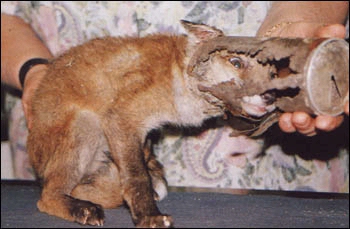
As if devastating environmental degradation and marring of the natural landscape isn’t enough damage caused by the vastly enormous number of tons of trash created every year (over 251 million in the U.S. alone), garbage poses a serious danger to wildlife. Along with contamination of soil, air, and water and destruction of land, everyday trash items can trap and wound wildlife, make them an easy target for predators, and prevent them from being able to eat, all of which may lead to suffering and/or death.

Reptiles, birds, and mammals, even pets, are endangered by careless littering and by typical waste from household and recreational activities- even recycled materials. Fishing line alone is responsible for 36 percent of wildlife injuries caused by garbage! Other sources of trash-related wildlife injuries include wounds from broken glass and fishing hooks; poisoning from lead, household chemicals, and harmful bacteria in discarded food; internal blockages from swallowing plastic wrap or bags; strangulation or amputation from string, wire, rubberbands, and six-pack rings; and the effects of entrapment in small containers (charityguide.org, foxwatchireland).

Animals such as lizards seeking warmth and small mammals or birds attracted by food remnants or odors can get their heads stuck in jars, cans, plastic bags, or empty yogurt cups, resulting in starvation, suffocation, or overheating (environmentalchemistry.com). Waterfowl and other birds may feed their babies plastic packing pellets. They can also get bound up in fishing line and netting, preventing them from flying, making them easy prey, and even causing limbs to be amputated. Fish and whales sometimes become ensnared in netting and loose fishing line. Broken glass and sharp metal can cut paws. These are just a few of the ways discarded waste from human activities can harm wildlife. *BUT... there are lots of simple things that can be done to prevent much of this from happening!*


Easy ways you can help protect animals and wild-proof your garbage:
  • Rinse, Recycle, and Reuse. Recycle glass, plastic, and aluminum containers. But whether you are recycling or putting these items in the trash, rinse them thoroughly or wash them to remove food remnants and odors that may lure wildlife to crawl inside seeking treats. If throwing away, also place lids back onto containers if possible. Rinse plastic wrap before throwing into trash. Reuse plastic storage bags or grocery bags.

  • Cut, Crush, and Tie. Fishing line, string, netting, rope, and rubber bands should be cut into 6-inch pieces before discarding in trash. Cut six-pack rings and similar items apart to prevent animals from getting trapped in them. Snip balloons into little pieces so that they aren't be mistaken for food. Tie plastic bags in a knot so that they can't blow away, lead to suffocation, or be mistaken for food. Remember to remove the lids from cans entirely if they are only partially attached. And cut in half or crush any open plastic containers or cans, making sure the opening is pinched shut so that small animals cannot crawl into or get their heads stuck inside.

  • Close and Cover. Make sure never to throw containers or plastic packaging into open trash cans. Better yet, ensure that all rinsed containers and plastic wrap are completely closed in garbage bags and placed inside trashcans with reliably secure lids (hsus.org).


Other things you can do:
  • Reduce the amount of trash you generate by recycling and by purchasing products with as little packaging as possible.
  • Volunteer with local community clean-up projects.
  • Pick up trash that may pose a danger to animals from the sidewalk or field you pass in your daily travels (use hand protection).
  • Spread the word to others about preventing trash-related wildlife injuries.
Just a few seconds or minutes can help prevent harm to the environment and it's creatures!